Minnesota Vikings Make Bold Move in 2024 NFL Draft
- Minnesota Vikings
- 05/28/2026 11:00:12 PM
The Minnesota Vikings have emerged as a dominant force in the 2024 NFL season, with their recent str
The Minnesota Vikings have emerged as a dominant force in the 2024 NFL season, with their recent strategic acquisitions and offensive innovations reshaping the league landscape. The team’s commitment to building a championship roster has been evident through their aggressive trade deadline moves, particularly the acquisition of quarterback Justin Jefferson. This high-impact signing has solidified the Vikings’ identity as a premier passing offense, complementing the playmaking abilities of quarterback Kirk Cousins. The combination of Jefferson’s elite route-running skills and Cousins’ experience has created a dynamic duo capable of dismantling even the toughest defenses. As the Vikings continue to refine their playbook, their focus on exploiting mismatches and leveraging their wide receiver corps has positioned them as a formidable contender in the NFC. This strategic shift underscores the team’s dedication to maintaining their status as one of the league’s most consistent performers.
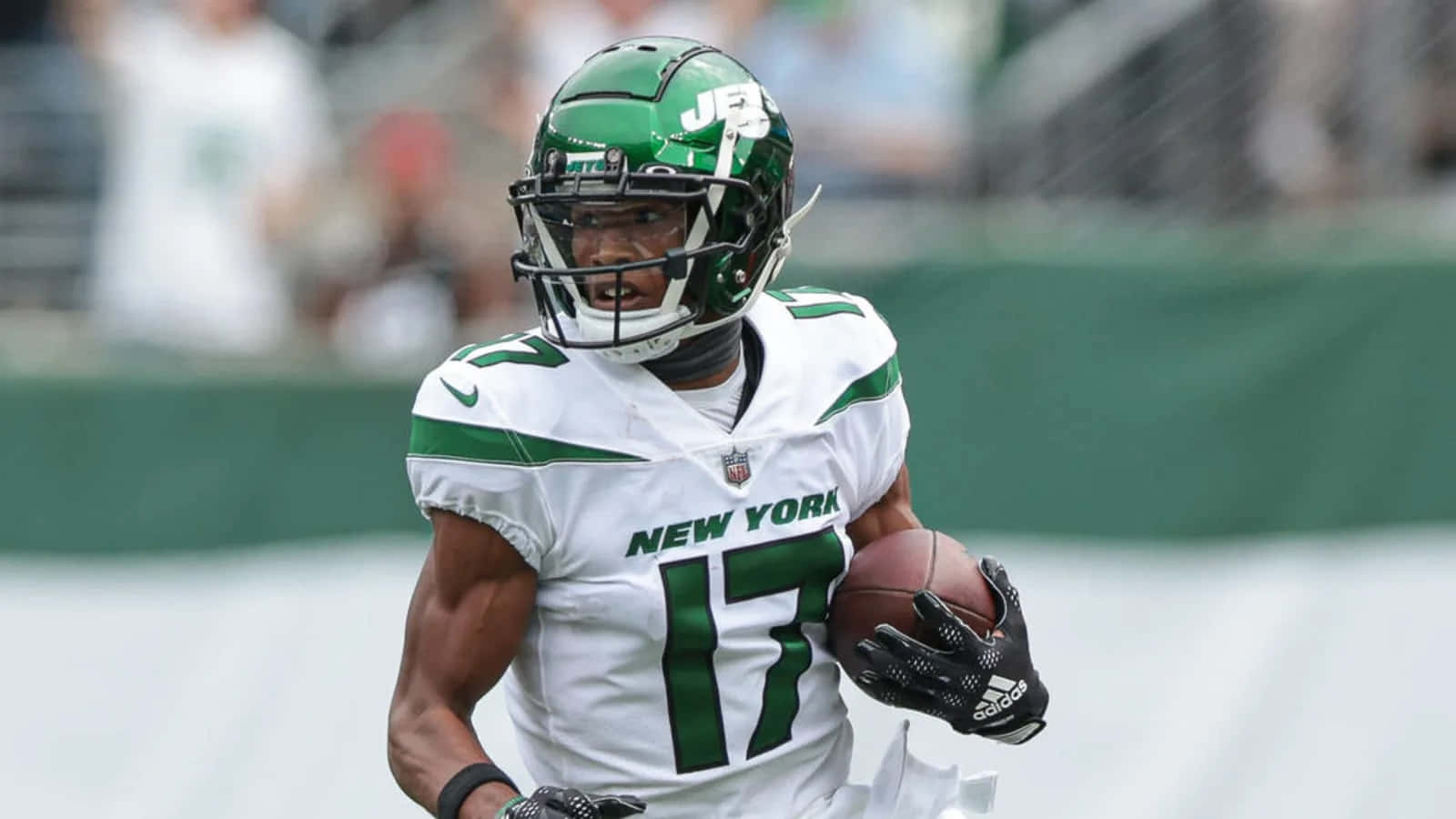 The Minnesota Vikings’ offensive strategy has evolved into a blueprint for success, blending precision passing with explosive playmaking. Head coach Kevin O’Connell’s emphasis on high-octane attacks has transformed the Vikings into a team that thrives on big plays, particularly in critical moments of games. The integration of rookie wide receiver Tyreek Hill into the offense has added another layer of complexity to the Vikings’ attack, allowing them to stretch the field and create opportunities for both running and passing plays. This adaptability has been a key factor in the team’s ability to maintain a high scoring average throughout the season. Additionally, the Vikings’ investment in developing their young talent has paid dividends, with players like running back Dalvin Cook and linebacker Fred Warner becoming pivotal to the team’s success. The combination of veteran leadership and youthful energy has created a balanced roster that can compete at the highest level. This strategic balance is a testament to the Vikings’ long-term vision and their ability to adapt to the ever-changing NFL landscape.
The Minnesota Vikings’ defense has become a cornerstone of their success, with a focus on versatile schemes and physicality. Under the guidance of defensive coordinator Kevin O’Connell, the team has implemented a hybrid approach that blends traditional line play with modern coverage techniques. The Vikings’ ability to disrupt opposing offenses through blitz packages and zone coverage has made them a difficult team to predict, forcing opponents into costly mistakes. Key players such as defensive end Everson Griffen and linebacker Anthony Harris have been instrumental in executing these strategies, providing both pass-rushing pressure and run-stopping power. The team’s commitment to depth in the secondary has also been a critical factor, with players like safety Harrison Smith and cornerback Patrick Surtain II forming a reliable duo that can shut down opposing wide receiver groups. This defensive versatility has allowed the Vikings to maintain a strong record despite facing a challenging schedule, solidifying their position as a top-tier team in the league.
The Minnesota Vikings’ ability to adapt to injuries and maintain performance has been a defining trait of their season. With key players facing setbacks due to wear and tear, the team has relied on its depth and coaching staff to keep the offense and defense competitive. The Vikings’ medical staff has implemented advanced recovery protocols, enabling players to return to action more quickly and perform at a high level. This focus on player health has been crucial in maintaining the team’s momentum, particularly during high-stakes matchups. The Vikings’ ability to rotate players effectively has also been a strategic advantage, allowing them to manage fatigue and keep their core players fresh throughout the season. This adaptability has been a key factor in their ability to remain a playoff contender despite the challenges of a grueling schedule. The team’s resilience in the face of adversity highlights their commitment to long-term success and their ability to overcome obstacles.
The Minnesota Vikings’ future looks bright as they continue to invest in both their existing talent and emerging prospects. The team’s development of young players, such as quarterback Jordan Ta’Amu and running back Breece Hall, has provided a strong foundation for sustained success. The Vikings’ emphasis on player development has been a key factor in their ability to maintain a competitive edge, even as they navigate the challenges of a deep and talented NFL landscape. This focus on growth has also extended to their coaching staff, with new additions bringing fresh ideas and innovative strategies to the organization. The Vikings’ ability to balance veteran leadership with youthful energy has created a team that is well-positioned for the future. As they continue to refine their systems and build depth, the Vikings are poised to remain a dominant force in the league for years to come.
The Minnesota Vikings’ legacy as a franchise built on resilience and innovation continues to grow. Their ability to adapt to changing dynamics in the NFL, from offensive evolution to defensive adjustments, has allowed them to remain a top-tier team in the league. The Vikings’ commitment to excellence is evident in their consistent performance, strategic acquisitions, and long-term planning. As they look ahead to the next season, the team’s focus on refining their systems and developing young talent will be critical to their continued success. The Vikings’ journey serves as a blueprint for how a franchise can thrive through a combination of strategic vision, player development, and adaptability. This enduring legacy is a testament to the team’s ability to navigate the challenges of the modern NFL and remain a formidable competitor for years to come.
The Minnesota Vikings’ offensive strategy has evolved into a blueprint for success, blending precision passing with explosive playmaking. Head coach Kevin O’Connell’s emphasis on high-octane attacks has transformed the Vikings into a team that thrives on big plays, particularly in critical moments of games. The integration of rookie wide receiver Tyreek Hill into the offense has added another layer of complexity to the Vikings’ attack, allowing them to stretch the field and create opportunities for both running and passing plays. This adaptability has been a key factor in the team’s ability to maintain a high scoring average throughout the season. Additionally, the Vikings’ investment in developing their young talent has paid dividends, with players like running back Dalvin Cook and linebacker Fred Warner becoming pivotal to the team’s success. The combination of veteran leadership and youthful energy has created a balanced roster that can compete at the highest level. This strategic balance is a testament to the Vikings’ long-term vision and their ability to adapt to the ever-changing NFL landscape.
The Minnesota Vikings’ defense has become a cornerstone of their success, with a focus on versatile schemes and physicality. Under the guidance of defensive coordinator Kevin O’Connell, the team has implemented a hybrid approach that blends traditional line play with modern coverage techniques. The Vikings’ ability to disrupt opposing offenses through blitz packages and zone coverage has made them a difficult team to predict, forcing opponents into costly mistakes. Key players such as defensive end Everson Griffen and linebacker Anthony Harris have been instrumental in executing these strategies, providing both pass-rushing pressure and run-stopping power. The team’s commitment to depth in the secondary has also been a critical factor, with players like safety Harrison Smith and cornerback Patrick Surtain II forming a reliable duo that can shut down opposing wide receiver groups. This defensive versatility has allowed the Vikings to maintain a strong record despite facing a challenging schedule, solidifying their position as a top-tier team in the league.
The Minnesota Vikings’ ability to adapt to injuries and maintain performance has been a defining trait of their season. With key players facing setbacks due to wear and tear, the team has relied on its depth and coaching staff to keep the offense and defense competitive. The Vikings’ medical staff has implemented advanced recovery protocols, enabling players to return to action more quickly and perform at a high level. This focus on player health has been crucial in maintaining the team’s momentum, particularly during high-stakes matchups. The Vikings’ ability to rotate players effectively has also been a strategic advantage, allowing them to manage fatigue and keep their core players fresh throughout the season. This adaptability has been a key factor in their ability to remain a playoff contender despite the challenges of a grueling schedule. The team’s resilience in the face of adversity highlights their commitment to long-term success and their ability to overcome obstacles.
The Minnesota Vikings’ future looks bright as they continue to invest in both their existing talent and emerging prospects. The team’s development of young players, such as quarterback Jordan Ta’Amu and running back Breece Hall, has provided a strong foundation for sustained success. The Vikings’ emphasis on player development has been a key factor in their ability to maintain a competitive edge, even as they navigate the challenges of a deep and talented NFL landscape. This focus on growth has also extended to their coaching staff, with new additions bringing fresh ideas and innovative strategies to the organization. The Vikings’ ability to balance veteran leadership with youthful energy has created a team that is well-positioned for the future. As they continue to refine their systems and build depth, the Vikings are poised to remain a dominant force in the league for years to come.
The Minnesota Vikings’ legacy as a franchise built on resilience and innovation continues to grow. Their ability to adapt to changing dynamics in the NFL, from offensive evolution to defensive adjustments, has allowed them to remain a top-tier team in the league. The Vikings’ commitment to excellence is evident in their consistent performance, strategic acquisitions, and long-term planning. As they look ahead to the next season, the team’s focus on refining their systems and developing young talent will be critical to their continued success. The Vikings’ journey serves as a blueprint for how a franchise can thrive through a combination of strategic vision, player development, and adaptability. This enduring legacy is a testament to the team’s ability to navigate the challenges of the modern NFL and remain a formidable competitor for years to come.
The Minnesota Vikings’ offensive strategy has evolved into a blueprint for success, blending precision passing with explosive playmaking. Head coach Kevin O’Connell’s emphasis on high-octane attacks has transformed the Vikings into a team that thrives on big plays, particularly in critical moments of games. The integration of rookie wide receiver Tyreek Hill into the offense has added another layer of complexity to the Vikings’ attack, allowing them to stretch the field and create opportunities for both running and passing plays. This adaptability has been a key factor in the team’s ability to maintain a high scoring average throughout the season. Additionally, the Vikings’ investment in developing their young talent has paid dividends, with players like running back Dalvin Cook and linebacker Fred Warner becoming pivotal to the team’s success. The combination of veteran leadership and youthful energy has created a balanced roster that can compete at the highest level. This strategic balance is a testament to the Vikings’ long-term vision and their ability to adapt to the ever-changing NFL landscape.
The Minnesota Vikings’ defense has become a cornerstone of their success, with a focus on versatile schemes and physicality. Under the guidance of defensive coordinator Kevin O’Connell, the team has implemented a hybrid approach that blends traditional line play with modern coverage techniques. The Vikings’ ability to disrupt opposing offenses through blitz packages and zone coverage has made them a difficult team to predict, forcing opponents into costly mistakes. Key players such as defensive end Everson Griffen and linebacker Anthony Harris have been instrumental in executing these strategies, providing both pass-rushing pressure and run-stopping power. The team’s commitment to depth in the secondary has also been a critical factor, with players like safety Harrison Smith and cornerback Patrick Surtain II forming a reliable duo that can shut down opposing wide receiver groups. This defensive versatility has allowed the Vikings to maintain a strong record despite facing a challenging schedule, solidifying their position as a top-tier team in the league.
The Minnesota Vikings’ ability to adapt to injuries and maintain performance has been a defining trait of their season. With key players facing setbacks due to wear and tear, the team has relied on its depth and coaching staff to keep the offense and defense competitive. The Vikings’ medical staff has implemented advanced recovery protocols, enabling players to return to action more quickly and perform at a high level. This focus on player health has been crucial in maintaining the team’s momentum, particularly during high-stakes matchups. The Vikings’ ability to rotate players effectively has also been a strategic advantage, allowing them to manage fatigue and keep their core players fresh throughout the season. This adaptability has been a key factor in their ability to remain a playoff contender despite the challenges of a grueling schedule. The team’s resilience in the face of adversity highlights their commitment to long-term success and their ability to overcome obstacles.
The Minnesota Vikings’ future looks bright as they continue to invest in both their existing talent and emerging prospects. The team’s development of young players, such as quarterback Jordan Ta’Amu and running back Breece Hall, has provided a strong foundation for sustained success. The Vikings’ emphasis on player development has been a key factor in their ability to maintain a competitive edge, even as they navigate the challenges of a deep and talented NFL landscape. This focus on growth has also extended to their coaching staff, with new additions bringing fresh ideas and innovative strategies to the organization. The Vikings’ ability to balance veteran leadership with youthful energy has created a team that is well-positioned for the future. As they continue to refine their systems and build depth, the Vikings are poised to remain a dominant force in the league for years to come.
The Minnesota Vikings’ legacy as a franchise built on resilience and innovation continues to grow. Their ability to adapt to changing dynamics in the NFL, from offensive evolution to defensive adjustments, has allowed them to remain a top-tier team in the league. The Vikings’ commitment to excellence is evident in their consistent performance, strategic acquisitions, and long-term planning. As they look ahead to the next season, the team’s focus on refining their systems and developing young talent will be critical to their continued success. The Vikings’ journey serves as a blueprint for how a franchise can thrive through a combination of strategic vision, player development, and adaptability. This enduring legacy is a testament to the team’s ability to navigate the challenges of the modern NFL and remain a formidable competitor for years to come.