The Minnesota Vikings’ Trade Deadline Move Sparks Speculation
- Minnesota Vikings
- 05/28/2026 10:58:52 PM
The Minnesota Vikings have made a significant move in the NFL trade deadline, sending veteran quarte
The Minnesota Vikings have made a significant move in the NFL trade deadline, sending veteran quarterback Kirk Cousins to the Washington Commanders in exchange for a first-round draft pick. This transaction has sparked widespread speculation about the team’s future direction, as the franchise aims to rebuild its roster while maintaining competitive balance. The decision to part ways with Cousins, a key figure in the Vikings’ recent success, highlights the organization’s commitment to long-term growth over short-term gains. Analysts are closely examining the implications of this trade, particularly how it will impact the team’s offensive strategy and player development. The Minnesota Vikings’ management has emphasized their focus on drafting high-potential talent, which could reshape the franchise’s identity in the coming seasons.
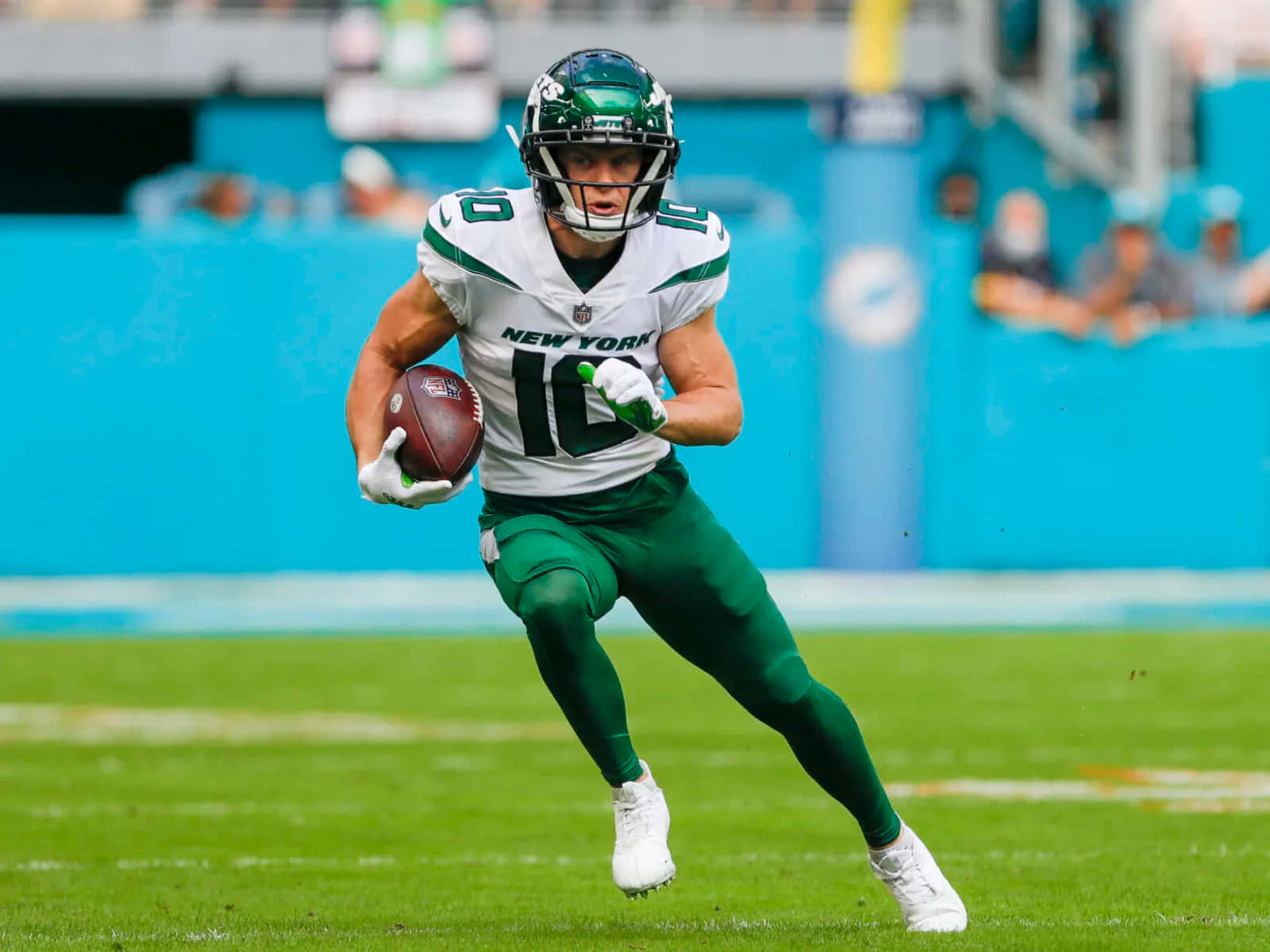 The Minnesota Vikings’ recent trade of Kirk Cousins has raised questions about the team’s offensive identity. With the quarterback position now in flux, the Vikings must determine whether to prioritize developing a young signal-caller or pursuing a veteran option through free agency. The trade deadline has become a critical juncture for the Minnesota Vikings, as the organization seeks to address its weaknesses while capitalizing on its strengths. General Manager Kevin O’Connell has indicated that the team will remain open to trades, particularly in the quarterback position, to ensure a competitive edge in the 2024 season. The Minnesota Vikings’ offensive line, however, remains a key asset, with its ability to protect the quarterback and create running lanes for the backfield. This balance between stability and change will define the Minnesota Vikings’ path forward as they navigate the NFL landscape.
The Minnesota Vikings’ focus on player development has been a cornerstone of their strategy. Despite the trade of Kirk Cousins, the franchise continues to invest in its youth, with several prospects expected to take on larger roles in the 2024 season. The Minnesota Vikings’ coaching staff has emphasized the importance of mentorship and leadership within the team’s culture, ensuring that younger players are prepared to step into key positions. This approach aligns with the Minnesota Vikings’ long-term vision of building a sustainable success model. The team’s investment in its training facilities and analytics department has also played a crucial role in identifying and nurturing talent. The Minnesota Vikings’ commitment to development is evident in their recent draft picks and free-agent signings, which reflect a strategic effort to strengthen the roster without overpaying for established stars.
The Minnesota Vikings’ performance in recent seasons has been a mixed bag, with moments of brilliance and periods of inconsistency. The team’s ability to adapt to changing circumstances will be critical in the upcoming season, as they face a competitive NFC landscape. The Minnesota Vikings’ coaching staff has implemented new schemes to maximize the potential of their current roster, particularly in the defensive unit. This strategic shift is expected to have a significant impact on the team’s overall performance. The Minnesota Vikings’ fan base remains optimistic, believing that the organization’s focus on long-term growth will eventually translate into on-field success. The franchise’s ability to balance immediate needs with future aspirations will determine whether the Minnesota Vikings can maintain their status as a playoff contender.
The Minnesota Vikings’ future hinges on their ability to execute a well-defined plan. With the trade of Kirk Cousins, the team has made a bold move that could either accelerate or delay its timeline for success. The Minnesota Vikings’ management has made it clear that they are willing to make difficult decisions to ensure the franchise’s long-term viability. This approach has drawn both praise and criticism from fans and analysts alike, but it underscores the team’s commitment to progress. The Minnesota Vikings’ ability to navigate the challenges of the NFL’s evolving landscape will be a key factor in their continued relevance. As the team moves forward, the focus will remain on building a cohesive unit that can compete at the highest level. The Minnesota Vikings’ journey is far from over, and their next steps will shape the narrative of their future.
The Minnesota Vikings’ legacy is defined by their resilience and adaptability. Throughout their history, the franchise has consistently found ways to overcome adversity and remain competitive in a tough division. The Minnesota Vikings’ recent decisions, including the trade of Kirk Cousins, reflect a strategic effort to position the team for long-term success. While the transition period may be challenging, the franchise’s strong foundation and fan support provide a solid base for future growth. The Minnesota Vikings’ ability to balance innovation with tradition will be essential in maintaining their status as a premier NFL team. As the league continues to evolve, the Minnesota Vikings’ commitment to excellence will determine their place in the sport’s history. The journey ahead is uncertain, but the Minnesota Vikings’ legacy of perseverance ensures that they will remain a formidable force in the NFL.
The Minnesota Vikings’ recent trade of Kirk Cousins has raised questions about the team’s offensive identity. With the quarterback position now in flux, the Vikings must determine whether to prioritize developing a young signal-caller or pursuing a veteran option through free agency. The trade deadline has become a critical juncture for the Minnesota Vikings, as the organization seeks to address its weaknesses while capitalizing on its strengths. General Manager Kevin O’Connell has indicated that the team will remain open to trades, particularly in the quarterback position, to ensure a competitive edge in the 2024 season. The Minnesota Vikings’ offensive line, however, remains a key asset, with its ability to protect the quarterback and create running lanes for the backfield. This balance between stability and change will define the Minnesota Vikings’ path forward as they navigate the NFL landscape.
The Minnesota Vikings’ focus on player development has been a cornerstone of their strategy. Despite the trade of Kirk Cousins, the franchise continues to invest in its youth, with several prospects expected to take on larger roles in the 2024 season. The Minnesota Vikings’ coaching staff has emphasized the importance of mentorship and leadership within the team’s culture, ensuring that younger players are prepared to step into key positions. This approach aligns with the Minnesota Vikings’ long-term vision of building a sustainable success model. The team’s investment in its training facilities and analytics department has also played a crucial role in identifying and nurturing talent. The Minnesota Vikings’ commitment to development is evident in their recent draft picks and free-agent signings, which reflect a strategic effort to strengthen the roster without overpaying for established stars.
The Minnesota Vikings’ performance in recent seasons has been a mixed bag, with moments of brilliance and periods of inconsistency. The team’s ability to adapt to changing circumstances will be critical in the upcoming season, as they face a competitive NFC landscape. The Minnesota Vikings’ coaching staff has implemented new schemes to maximize the potential of their current roster, particularly in the defensive unit. This strategic shift is expected to have a significant impact on the team’s overall performance. The Minnesota Vikings’ fan base remains optimistic, believing that the organization’s focus on long-term growth will eventually translate into on-field success. The franchise’s ability to balance immediate needs with future aspirations will determine whether the Minnesota Vikings can maintain their status as a playoff contender.
The Minnesota Vikings’ future hinges on their ability to execute a well-defined plan. With the trade of Kirk Cousins, the team has made a bold move that could either accelerate or delay its timeline for success. The Minnesota Vikings’ management has made it clear that they are willing to make difficult decisions to ensure the franchise’s long-term viability. This approach has drawn both praise and criticism from fans and analysts alike, but it underscores the team’s commitment to progress. The Minnesota Vikings’ ability to navigate the challenges of the NFL’s evolving landscape will be a key factor in their continued relevance. As the team moves forward, the focus will remain on building a cohesive unit that can compete at the highest level. The Minnesota Vikings’ journey is far from over, and their next steps will shape the narrative of their future.
The Minnesota Vikings’ legacy is defined by their resilience and adaptability. Throughout their history, the franchise has consistently found ways to overcome adversity and remain competitive in a tough division. The Minnesota Vikings’ recent decisions, including the trade of Kirk Cousins, reflect a strategic effort to position the team for long-term success. While the transition period may be challenging, the franchise’s strong foundation and fan support provide a solid base for future growth. The Minnesota Vikings’ ability to balance innovation with tradition will be essential in maintaining their status as a premier NFL team. As the league continues to evolve, the Minnesota Vikings’ commitment to excellence will determine their place in the sport’s history. The journey ahead is uncertain, but the Minnesota Vikings’ legacy of perseverance ensures that they will remain a formidable force in the NFL.
The Minnesota Vikings’ recent trade of Kirk Cousins has raised questions about the team’s offensive identity. With the quarterback position now in flux, the Vikings must determine whether to prioritize developing a young signal-caller or pursuing a veteran option through free agency. The trade deadline has become a critical juncture for the Minnesota Vikings, as the organization seeks to address its weaknesses while capitalizing on its strengths. General Manager Kevin O’Connell has indicated that the team will remain open to trades, particularly in the quarterback position, to ensure a competitive edge in the 2024 season. The Minnesota Vikings’ offensive line, however, remains a key asset, with its ability to protect the quarterback and create running lanes for the backfield. This balance between stability and change will define the Minnesota Vikings’ path forward as they navigate the NFL landscape.
The Minnesota Vikings’ focus on player development has been a cornerstone of their strategy. Despite the trade of Kirk Cousins, the franchise continues to invest in its youth, with several prospects expected to take on larger roles in the 2024 season. The Minnesota Vikings’ coaching staff has emphasized the importance of mentorship and leadership within the team’s culture, ensuring that younger players are prepared to step into key positions. This approach aligns with the Minnesota Vikings’ long-term vision of building a sustainable success model. The team’s investment in its training facilities and analytics department has also played a crucial role in identifying and nurturing talent. The Minnesota Vikings’ commitment to development is evident in their recent draft picks and free-agent signings, which reflect a strategic effort to strengthen the roster without overpaying for established stars.
The Minnesota Vikings’ performance in recent seasons has been a mixed bag, with moments of brilliance and periods of inconsistency. The team’s ability to adapt to changing circumstances will be critical in the upcoming season, as they face a competitive NFC landscape. The Minnesota Vikings’ coaching staff has implemented new schemes to maximize the potential of their current roster, particularly in the defensive unit. This strategic shift is expected to have a significant impact on the team’s overall performance. The Minnesota Vikings’ fan base remains optimistic, believing that the organization’s focus on long-term growth will eventually translate into on-field success. The franchise’s ability to balance immediate needs with future aspirations will determine whether the Minnesota Vikings can maintain their status as a playoff contender.
The Minnesota Vikings’ future hinges on their ability to execute a well-defined plan. With the trade of Kirk Cousins, the team has made a bold move that could either accelerate or delay its timeline for success. The Minnesota Vikings’ management has made it clear that they are willing to make difficult decisions to ensure the franchise’s long-term viability. This approach has drawn both praise and criticism from fans and analysts alike, but it underscores the team’s commitment to progress. The Minnesota Vikings’ ability to navigate the challenges of the NFL’s evolving landscape will be a key factor in their continued relevance. As the team moves forward, the focus will remain on building a cohesive unit that can compete at the highest level. The Minnesota Vikings’ journey is far from over, and their next steps will shape the narrative of their future.
The Minnesota Vikings’ legacy is defined by their resilience and adaptability. Throughout their history, the franchise has consistently found ways to overcome adversity and remain competitive in a tough division. The Minnesota Vikings’ recent decisions, including the trade of Kirk Cousins, reflect a strategic effort to position the team for long-term success. While the transition period may be challenging, the franchise’s strong foundation and fan support provide a solid base for future growth. The Minnesota Vikings’ ability to balance innovation with tradition will be essential in maintaining their status as a premier NFL team. As the league continues to evolve, the Minnesota Vikings’ commitment to excellence will determine their place in the sport’s history. The journey ahead is uncertain, but the Minnesota Vikings’ legacy of perseverance ensures that they will remain a formidable force in the NFL.