Minnesota Vikings Set to Make Big Move in Free Agency
- Minnesota Vikings
- 05/28/2026 11:00:36 PM
The Minnesota Vikings are preparing for a significant shift in their roster strategy as the 2024 fre
The Minnesota Vikings are preparing for a significant shift in their roster strategy as the 2024 free agency period approaches. With key players like Kirk Cousins and Justin Jefferson entering the final years of their contracts, the team is under pressure to secure its future. Recent reports suggest the Vikings are exploring trades for high-impact talent, particularly in the defensive line and secondary. The Minnesota Vikings have been linked to several veteran free agents, including former NFL stars like Tyrann Mathieu and Derwin James. This potential reshaping of the roster could redefine the team’s identity in the coming seasons. The Minnesota Vikings’ front office is rumored to be prioritizing depth over star power, focusing on building a balanced squad that can compete in the AFC.
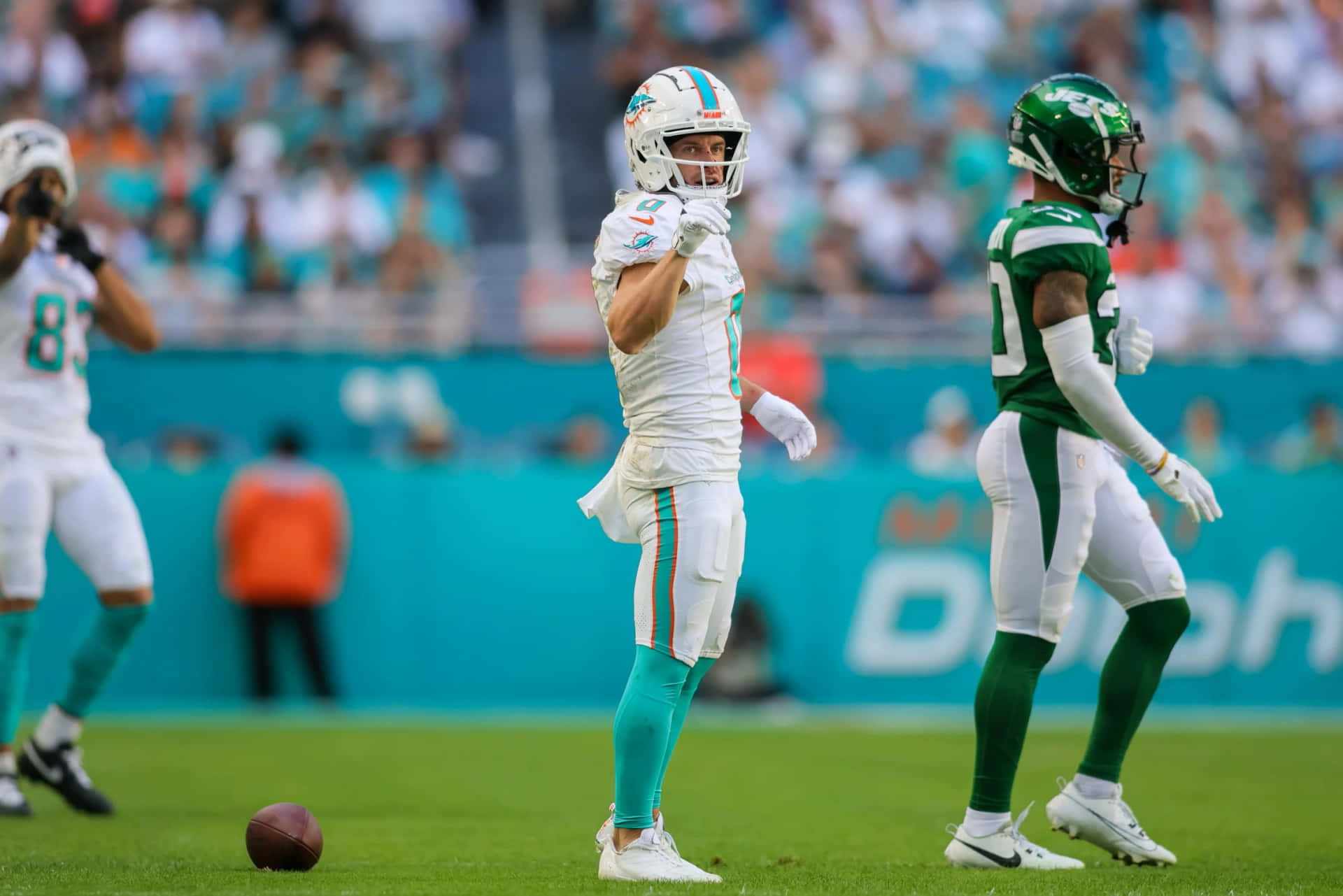 The Minnesota Vikings’ recent performance has raised questions about their ability to maintain consistency. Despite a strong 2023 season, the team’s defense struggled in critical moments, leading to a 10-6 record. Analysts are now closely examining the Minnesota Vikings’ defensive strategy, particularly their reliance on the secondary. The Minnesota Vikings have been criticized for their lack of physicality in run defense, a weakness that could be exploited by opponents. However, the team’s offensive line, led by stars like Jordan Wagner, has shown promise. The Minnesota Vikings’ coaching staff is reportedly working on adjustments to improve their run game, which could be a turning point for the team. The Minnesota Vikings’ ability to adapt to these challenges will determine their success in the upcoming season.
The Minnesota Vikings’ fan base is divided on the team’s direction, with some supporters calling for a more aggressive approach in free agency. The Minnesota Vikings’ current roster has a mix of young talent and veteran leadership, but the team’s chemistry has been a point of concern. Recent interviews with players like Dalvin Cook and Justin Jefferson have highlighted the need for better communication and accountability within the team. The Minnesota Vikings’ management is under pressure to address these issues, as the team’s performance in key moments has been inconsistent. The Minnesota Vikings’ future will depend on their ability to balance tradition with innovation, ensuring that the team remains competitive in a crowded league.
The Minnesota Vikings’ draft strategy has also come under scrutiny, with critics pointing to the team’s lack of high-impact picks. The Minnesota Vikings have focused on developing young players through the college draft, but the team’s inability to secure top-tier talent has raised concerns. The Minnesota Vikings’ front office is reportedly considering a trade-up in the 2024 draft to acquire a high-profile prospect. The Minnesota Vikings’ decision to prioritize youth over immediate results could pay off in the long run, but it also carries risks. The Minnesota Vikings’ ability to navigate these choices will be crucial in shaping the team’s trajectory for the next decade.
The Minnesota Vikings’ relationship with their local community has always been a key part of their identity. The team’s efforts to engage with fans through events and outreach programs have strengthened its connection to the Twin Cities. The Minnesota Vikings’ recent initiatives to support local youth sports have been praised by community leaders, reinforcing the team’s role as a pillar of the region. The Minnesota Vikings’ commitment to giving back to the community is a valuable asset, as it helps build a loyal fan base. The Minnesota Vikings’ ability to maintain this connection while competing on the field will be a test of their leadership and vision.
The Minnesota Vikings’ long-term success will depend on a combination of strategic planning, player development, and fan engagement. The team’s front office must continue to balance short-term goals with long-term investments, ensuring that the Minnesota Vikings remain a competitive force in the NFL. The Minnesota Vikings’ ability to adapt to the evolving landscape of the league will determine their place in the history of the franchise. As the Minnesota Vikings look to the future, their focus on innovation, accountability, and community will be essential in achieving sustained success.
The Minnesota Vikings’ recent performance has raised questions about their ability to maintain consistency. Despite a strong 2023 season, the team’s defense struggled in critical moments, leading to a 10-6 record. Analysts are now closely examining the Minnesota Vikings’ defensive strategy, particularly their reliance on the secondary. The Minnesota Vikings have been criticized for their lack of physicality in run defense, a weakness that could be exploited by opponents. However, the team’s offensive line, led by stars like Jordan Wagner, has shown promise. The Minnesota Vikings’ coaching staff is reportedly working on adjustments to improve their run game, which could be a turning point for the team. The Minnesota Vikings’ ability to adapt to these challenges will determine their success in the upcoming season.
The Minnesota Vikings’ fan base is divided on the team’s direction, with some supporters calling for a more aggressive approach in free agency. The Minnesota Vikings’ current roster has a mix of young talent and veteran leadership, but the team’s chemistry has been a point of concern. Recent interviews with players like Dalvin Cook and Justin Jefferson have highlighted the need for better communication and accountability within the team. The Minnesota Vikings’ management is under pressure to address these issues, as the team’s performance in key moments has been inconsistent. The Minnesota Vikings’ future will depend on their ability to balance tradition with innovation, ensuring that the team remains competitive in a crowded league.
The Minnesota Vikings’ draft strategy has also come under scrutiny, with critics pointing to the team’s lack of high-impact picks. The Minnesota Vikings have focused on developing young players through the college draft, but the team’s inability to secure top-tier talent has raised concerns. The Minnesota Vikings’ front office is reportedly considering a trade-up in the 2024 draft to acquire a high-profile prospect. The Minnesota Vikings’ decision to prioritize youth over immediate results could pay off in the long run, but it also carries risks. The Minnesota Vikings’ ability to navigate these choices will be crucial in shaping the team’s trajectory for the next decade.
The Minnesota Vikings’ relationship with their local community has always been a key part of their identity. The team’s efforts to engage with fans through events and outreach programs have strengthened its connection to the Twin Cities. The Minnesota Vikings’ recent initiatives to support local youth sports have been praised by community leaders, reinforcing the team’s role as a pillar of the region. The Minnesota Vikings’ commitment to giving back to the community is a valuable asset, as it helps build a loyal fan base. The Minnesota Vikings’ ability to maintain this connection while competing on the field will be a test of their leadership and vision.
The Minnesota Vikings’ long-term success will depend on a combination of strategic planning, player development, and fan engagement. The team’s front office must continue to balance short-term goals with long-term investments, ensuring that the Minnesota Vikings remain a competitive force in the NFL. The Minnesota Vikings’ ability to adapt to the evolving landscape of the league will determine their place in the history of the franchise. As the Minnesota Vikings look to the future, their focus on innovation, accountability, and community will be essential in achieving sustained success.
The Minnesota Vikings’ recent performance has raised questions about their ability to maintain consistency. Despite a strong 2023 season, the team’s defense struggled in critical moments, leading to a 10-6 record. Analysts are now closely examining the Minnesota Vikings’ defensive strategy, particularly their reliance on the secondary. The Minnesota Vikings have been criticized for their lack of physicality in run defense, a weakness that could be exploited by opponents. However, the team’s offensive line, led by stars like Jordan Wagner, has shown promise. The Minnesota Vikings’ coaching staff is reportedly working on adjustments to improve their run game, which could be a turning point for the team. The Minnesota Vikings’ ability to adapt to these challenges will determine their success in the upcoming season.
The Minnesota Vikings’ fan base is divided on the team’s direction, with some supporters calling for a more aggressive approach in free agency. The Minnesota Vikings’ current roster has a mix of young talent and veteran leadership, but the team’s chemistry has been a point of concern. Recent interviews with players like Dalvin Cook and Justin Jefferson have highlighted the need for better communication and accountability within the team. The Minnesota Vikings’ management is under pressure to address these issues, as the team’s performance in key moments has been inconsistent. The Minnesota Vikings’ future will depend on their ability to balance tradition with innovation, ensuring that the team remains competitive in a crowded league.
The Minnesota Vikings’ draft strategy has also come under scrutiny, with critics pointing to the team’s lack of high-impact picks. The Minnesota Vikings have focused on developing young players through the college draft, but the team’s inability to secure top-tier talent has raised concerns. The Minnesota Vikings’ front office is reportedly considering a trade-up in the 2024 draft to acquire a high-profile prospect. The Minnesota Vikings’ decision to prioritize youth over immediate results could pay off in the long run, but it also carries risks. The Minnesota Vikings’ ability to navigate these choices will be crucial in shaping the team’s trajectory for the next decade.
The Minnesota Vikings’ relationship with their local community has always been a key part of their identity. The team’s efforts to engage with fans through events and outreach programs have strengthened its connection to the Twin Cities. The Minnesota Vikings’ recent initiatives to support local youth sports have been praised by community leaders, reinforcing the team’s role as a pillar of the region. The Minnesota Vikings’ commitment to giving back to the community is a valuable asset, as it helps build a loyal fan base. The Minnesota Vikings’ ability to maintain this connection while competing on the field will be a test of their leadership and vision.
The Minnesota Vikings’ long-term success will depend on a combination of strategic planning, player development, and fan engagement. The team’s front office must continue to balance short-term goals with long-term investments, ensuring that the Minnesota Vikings remain a competitive force in the NFL. The Minnesota Vikings’ ability to adapt to the evolving landscape of the league will determine their place in the history of the franchise. As the Minnesota Vikings look to the future, their focus on innovation, accountability, and community will be essential in achieving sustained success.