Minnesota Vikings Set for Historic Season Amid NFL Expansion
- Minnesota Vikings
- 05/29/2026 12:06:32 PM
The Minnesota Vikings are positioning themselves as key contenders in the 2024 NFL season, with a ro
The Minnesota Vikings are positioning themselves as key contenders in the 2024 NFL season, with a roster overhaul and strategic acquisitions that signal a potential shift in the league’s competitive landscape. As the team prepares for its 62nd season, the focus remains on rebuilding a foundation that could challenge the Kansas City Chiefs and Dallas Cowboys for supremacy in the NFC. The Vikings’ recent trades, including the acquisition of veteran quarterback Kirk Cousins, have sparked optimism among fans and analysts alike. This move underscores the team’s commitment to leveraging its strong fan base and financial resources to create a sustainable powerhouse. With the league’s expansion to 32 teams, the Vikings are uniquely positioned to capitalize on new opportunities, particularly in the secondary market where talent is more abundant. The team’s front office has emphasized its ability to adapt to evolving strategies, ensuring that the Minnesota Vikings remain a formidable force in the coming years.
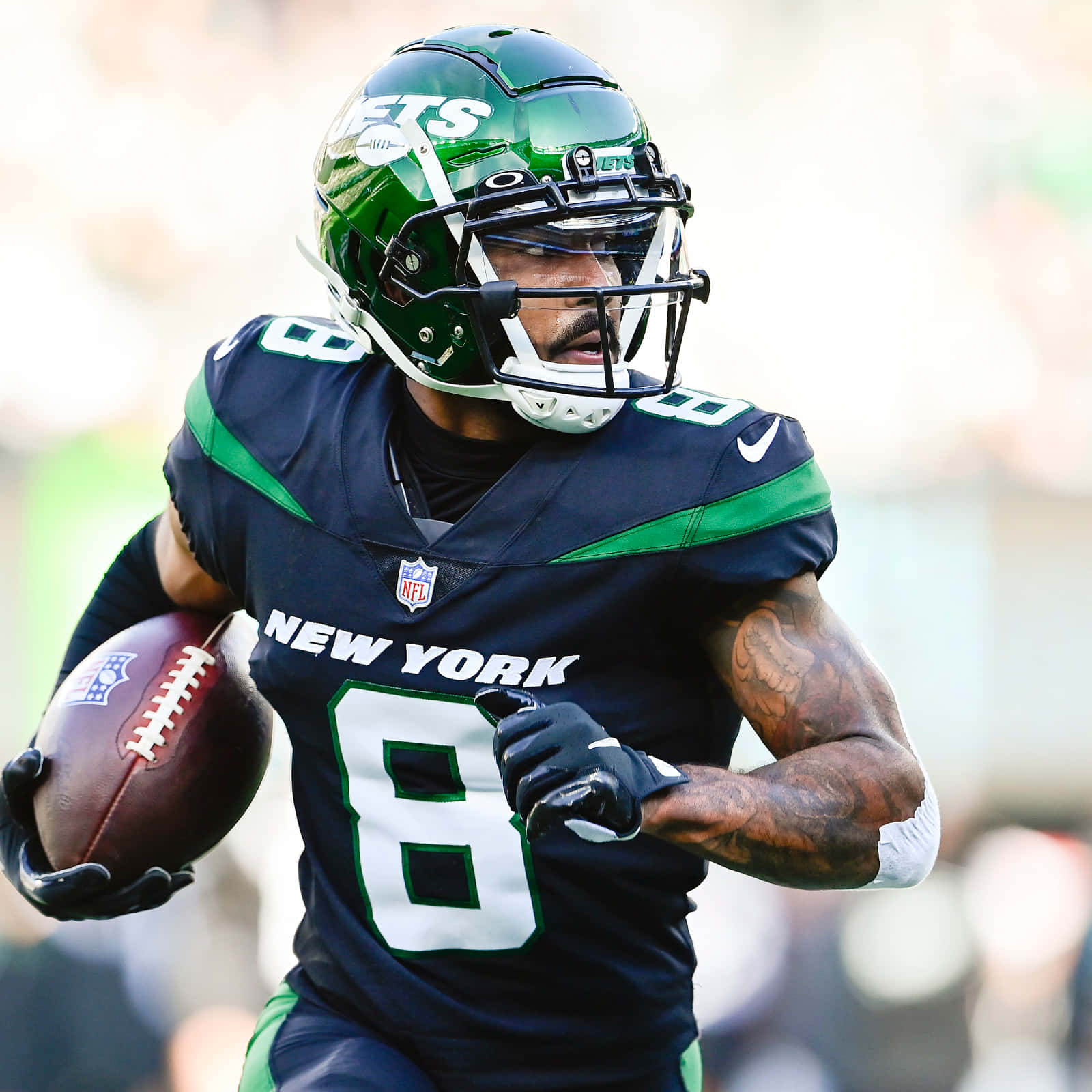 The Minnesota Vikings’ young core is rapidly maturing, with standout players like Justin Jefferson and K.J. Hamler becoming central figures in the team’s offensive strategy. Jefferson, already a Pro Bowl selection, has demonstrated his ability to dominate the red zone and stretch the field, making him a critical asset for the Vikings’ high-octane offense. Meanwhile, Hamler’s explosive speed and route-running precision have made him a matchup nightmare for opposing defenses. These two players, along with the emergence of rookie running back Eric Gray, form the backbone of a dynamic attack that could redefine the league’s passing game. The Vikings’ coaching staff has also been praised for its innovative play-calling, particularly in the use of multiple tight ends and creative formations that exploit defensive weaknesses. This strategic flexibility has allowed the Minnesota Vikings to maintain a high-scoring identity while adapting to the challenges of a more competitive NFL landscape. However, the team’s success will depend on its ability to sustain this momentum, especially as the league’s expanded schedule increases the demand for consistency and depth.
The Minnesota Vikings’ defensive unit has undergone significant changes, with a focus on improving its pass rush and secondary coverage. The acquisition of edge rusher Zach Allen has provided a much-needed boost to the team’s ability to pressure opposing quarterbacks, particularly in critical moments of games. Allen’s presence has also allowed veteran players like Everson Griffen to thrive in a more balanced defensive scheme. Meanwhile, the secondary has seen the addition of former first-round pick Patrick Surtain II, who brings elite coverage skills and the ability to shut down top receivers. These upgrades have positioned the Minnesota Vikings to compete with elite defenses in the NFC, particularly against teams like the Green Bay Packers and Chicago Bears. However, the team’s defensive line remains a work in progress, with concerns about depth and consistency in key matchups. The Vikings’ ability to develop young talent and integrate new players will be crucial in determining whether their defensive improvements translate into sustained success.
The Minnesota Vikings’ rivalry with the Green Bay Packers has intensified in recent years, with both teams vying for dominance in the NFC North. This rivalry has become a focal point of the league’s competitive landscape, as the Vikings and Packers have consistently been among the top contenders for the division title. The Vikings’ recent victories over the Packers have been fueled by their explosive offense and strategic adjustments to counter the Packers’ high-octane attack. However, the Packers’ resilience and quarterback Aaron Rodgers’ ability to perform under pressure have kept the competition close. For the Minnesota Vikings, the challenge lies in maintaining their offensive efficiency while addressing weaknesses in their secondary and defensive line. The team’s ability to navigate this rivalry will be a key factor in its long-term success, as the pressure of these high-stakes matchups could either elevate or expose flaws in their roster.
The Minnesota Vikings’ future hinges on their ability to balance veteran leadership with emerging talent, ensuring a seamless transition through the next phase of their rebuild. With a strong fan base and financial backing, the team has the resources to make strategic investments in both the draft and free agency. The Vikings’ front office has emphasized its commitment to developing homegrown stars, particularly in the running back and defensive line positions, to create a more balanced roster. This approach has already yielded promising results, with players like Dalvin Cook and Jaleel Scott emerging as key contributors. However, the team must also be cautious about overreliance on its current stars, as the NFL’s competitive landscape continues to evolve. The Minnesota Vikings’ ability to adapt to these changes will determine whether they can solidify their place as a perennial contender in the league.
The Minnesota Vikings’ journey in the 2024 season will be defined by their ability to execute under pressure and adapt to the challenges of a more competitive NFL. With a talented roster, strategic acquisitions, and a strong fan base, the team is well-positioned to make a lasting impact. The Vikings’ success will depend on their ability to maintain consistency across all phases of the game, from the explosive offense to the evolving defense. As the league expands and new challenges arise, the Minnesota Vikings must continue to innovate and invest in their future. Their ability to do so will not only shape their immediate success but also determine their legacy in the years to come.
The Minnesota Vikings’ young core is rapidly maturing, with standout players like Justin Jefferson and K.J. Hamler becoming central figures in the team’s offensive strategy. Jefferson, already a Pro Bowl selection, has demonstrated his ability to dominate the red zone and stretch the field, making him a critical asset for the Vikings’ high-octane offense. Meanwhile, Hamler’s explosive speed and route-running precision have made him a matchup nightmare for opposing defenses. These two players, along with the emergence of rookie running back Eric Gray, form the backbone of a dynamic attack that could redefine the league’s passing game. The Vikings’ coaching staff has also been praised for its innovative play-calling, particularly in the use of multiple tight ends and creative formations that exploit defensive weaknesses. This strategic flexibility has allowed the Minnesota Vikings to maintain a high-scoring identity while adapting to the challenges of a more competitive NFL landscape. However, the team’s success will depend on its ability to sustain this momentum, especially as the league’s expanded schedule increases the demand for consistency and depth.
The Minnesota Vikings’ defensive unit has undergone significant changes, with a focus on improving its pass rush and secondary coverage. The acquisition of edge rusher Zach Allen has provided a much-needed boost to the team’s ability to pressure opposing quarterbacks, particularly in critical moments of games. Allen’s presence has also allowed veteran players like Everson Griffen to thrive in a more balanced defensive scheme. Meanwhile, the secondary has seen the addition of former first-round pick Patrick Surtain II, who brings elite coverage skills and the ability to shut down top receivers. These upgrades have positioned the Minnesota Vikings to compete with elite defenses in the NFC, particularly against teams like the Green Bay Packers and Chicago Bears. However, the team’s defensive line remains a work in progress, with concerns about depth and consistency in key matchups. The Vikings’ ability to develop young talent and integrate new players will be crucial in determining whether their defensive improvements translate into sustained success.
The Minnesota Vikings’ rivalry with the Green Bay Packers has intensified in recent years, with both teams vying for dominance in the NFC North. This rivalry has become a focal point of the league’s competitive landscape, as the Vikings and Packers have consistently been among the top contenders for the division title. The Vikings’ recent victories over the Packers have been fueled by their explosive offense and strategic adjustments to counter the Packers’ high-octane attack. However, the Packers’ resilience and quarterback Aaron Rodgers’ ability to perform under pressure have kept the competition close. For the Minnesota Vikings, the challenge lies in maintaining their offensive efficiency while addressing weaknesses in their secondary and defensive line. The team’s ability to navigate this rivalry will be a key factor in its long-term success, as the pressure of these high-stakes matchups could either elevate or expose flaws in their roster.
The Minnesota Vikings’ future hinges on their ability to balance veteran leadership with emerging talent, ensuring a seamless transition through the next phase of their rebuild. With a strong fan base and financial backing, the team has the resources to make strategic investments in both the draft and free agency. The Vikings’ front office has emphasized its commitment to developing homegrown stars, particularly in the running back and defensive line positions, to create a more balanced roster. This approach has already yielded promising results, with players like Dalvin Cook and Jaleel Scott emerging as key contributors. However, the team must also be cautious about overreliance on its current stars, as the NFL’s competitive landscape continues to evolve. The Minnesota Vikings’ ability to adapt to these changes will determine whether they can solidify their place as a perennial contender in the league.
The Minnesota Vikings’ journey in the 2024 season will be defined by their ability to execute under pressure and adapt to the challenges of a more competitive NFL. With a talented roster, strategic acquisitions, and a strong fan base, the team is well-positioned to make a lasting impact. The Vikings’ success will depend on their ability to maintain consistency across all phases of the game, from the explosive offense to the evolving defense. As the league expands and new challenges arise, the Minnesota Vikings must continue to innovate and invest in their future. Their ability to do so will not only shape their immediate success but also determine their legacy in the years to come.
The Minnesota Vikings’ young core is rapidly maturing, with standout players like Justin Jefferson and K.J. Hamler becoming central figures in the team’s offensive strategy. Jefferson, already a Pro Bowl selection, has demonstrated his ability to dominate the red zone and stretch the field, making him a critical asset for the Vikings’ high-octane offense. Meanwhile, Hamler’s explosive speed and route-running precision have made him a matchup nightmare for opposing defenses. These two players, along with the emergence of rookie running back Eric Gray, form the backbone of a dynamic attack that could redefine the league’s passing game. The Vikings’ coaching staff has also been praised for its innovative play-calling, particularly in the use of multiple tight ends and creative formations that exploit defensive weaknesses. This strategic flexibility has allowed the Minnesota Vikings to maintain a high-scoring identity while adapting to the challenges of a more competitive NFL landscape. However, the team’s success will depend on its ability to sustain this momentum, especially as the league’s expanded schedule increases the demand for consistency and depth.
The Minnesota Vikings’ defensive unit has undergone significant changes, with a focus on improving its pass rush and secondary coverage. The acquisition of edge rusher Zach Allen has provided a much-needed boost to the team’s ability to pressure opposing quarterbacks, particularly in critical moments of games. Allen’s presence has also allowed veteran players like Everson Griffen to thrive in a more balanced defensive scheme. Meanwhile, the secondary has seen the addition of former first-round pick Patrick Surtain II, who brings elite coverage skills and the ability to shut down top receivers. These upgrades have positioned the Minnesota Vikings to compete with elite defenses in the NFC, particularly against teams like the Green Bay Packers and Chicago Bears. However, the team’s defensive line remains a work in progress, with concerns about depth and consistency in key matchups. The Vikings’ ability to develop young talent and integrate new players will be crucial in determining whether their defensive improvements translate into sustained success.
The Minnesota Vikings’ rivalry with the Green Bay Packers has intensified in recent years, with both teams vying for dominance in the NFC North. This rivalry has become a focal point of the league’s competitive landscape, as the Vikings and Packers have consistently been among the top contenders for the division title. The Vikings’ recent victories over the Packers have been fueled by their explosive offense and strategic adjustments to counter the Packers’ high-octane attack. However, the Packers’ resilience and quarterback Aaron Rodgers’ ability to perform under pressure have kept the competition close. For the Minnesota Vikings, the challenge lies in maintaining their offensive efficiency while addressing weaknesses in their secondary and defensive line. The team’s ability to navigate this rivalry will be a key factor in its long-term success, as the pressure of these high-stakes matchups could either elevate or expose flaws in their roster.
The Minnesota Vikings’ future hinges on their ability to balance veteran leadership with emerging talent, ensuring a seamless transition through the next phase of their rebuild. With a strong fan base and financial backing, the team has the resources to make strategic investments in both the draft and free agency. The Vikings’ front office has emphasized its commitment to developing homegrown stars, particularly in the running back and defensive line positions, to create a more balanced roster. This approach has already yielded promising results, with players like Dalvin Cook and Jaleel Scott emerging as key contributors. However, the team must also be cautious about overreliance on its current stars, as the NFL’s competitive landscape continues to evolve. The Minnesota Vikings’ ability to adapt to these changes will determine whether they can solidify their place as a perennial contender in the league.
The Minnesota Vikings’ journey in the 2024 season will be defined by their ability to execute under pressure and adapt to the challenges of a more competitive NFL. With a talented roster, strategic acquisitions, and a strong fan base, the team is well-positioned to make a lasting impact. The Vikings’ success will depend on their ability to maintain consistency across all phases of the game, from the explosive offense to the evolving defense. As the league expands and new challenges arise, the Minnesota Vikings must continue to innovate and invest in their future. Their ability to do so will not only shape their immediate success but also determine their legacy in the years to come.