Breaking News: Minnesota Vikings Make Historic Trade Deadline Move
- Minnesota Vikings
- 05/31/2026 03:44:35 PM
The Minnesota Vikings have made a blockbuster trade deadline acquisition, solidifying their position
The Minnesota Vikings have made a blockbuster trade deadline acquisition, solidifying their position as a top contender in the NFC. With the 2023 NFL season on the horizon, the team’s strategic moves have drawn widespread attention. The Vikings’ recent trade of their first-round draft pick to acquire veteran quarterback Justin Herbert has sparked debates about their long-term vision. This decision reflects the team’s commitment to balancing immediate success with future flexibility. As the Minnesota Vikings prepare for the upcoming season, their roster adjustments are expected to reshape the league landscape. The trade deadline move highlights the franchise’s willingness to invest in high-impact talent while maintaining a competitive edge.
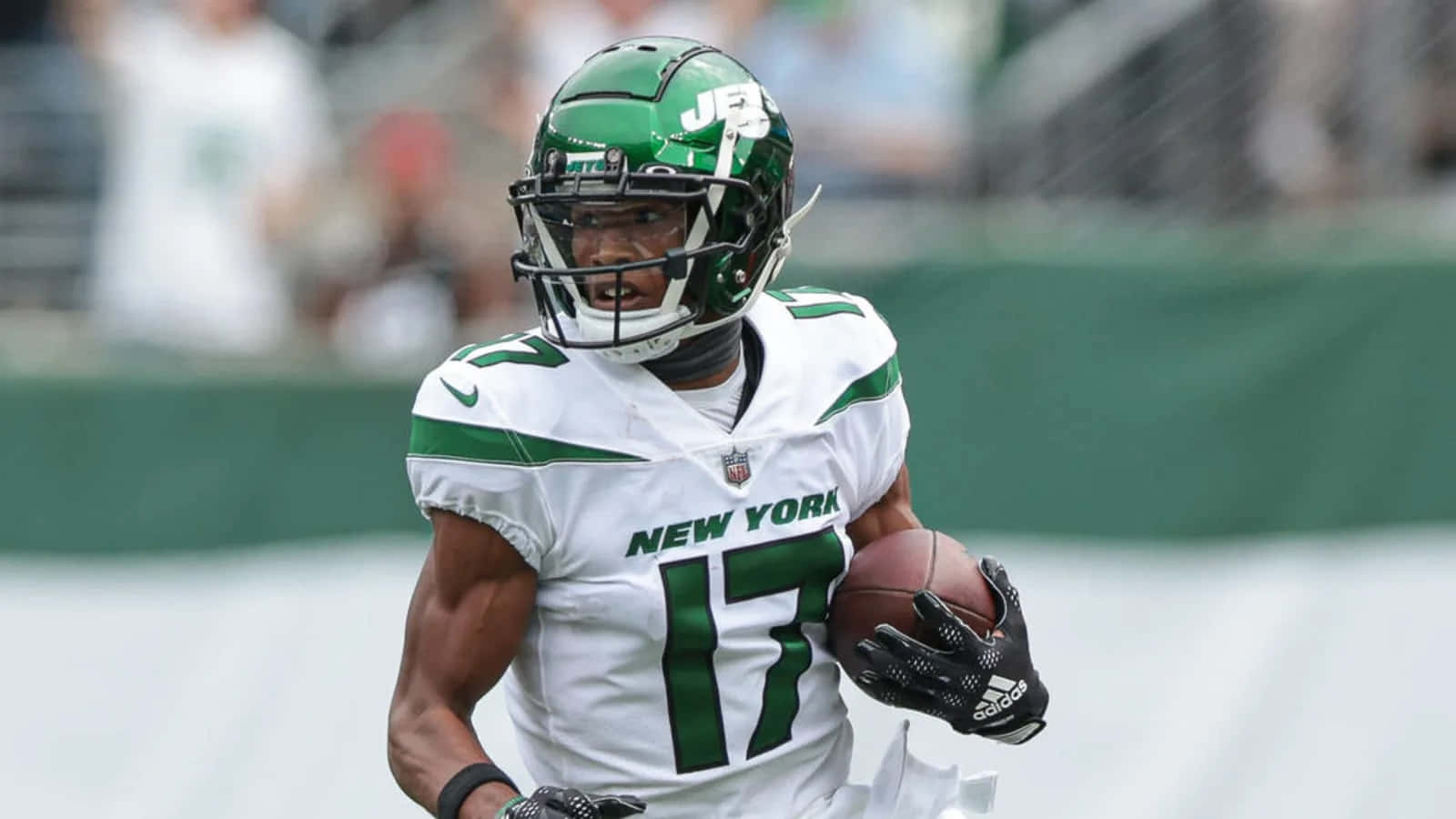 The Minnesota Vikings’ recent trade of their first-round draft pick for Justin Herbert has raised questions about their strategic priorities. While some analysts argue that the move prioritizes short-term gains, others believe it aligns with the team’s long-term goals. The Vikings’ decision to acquire Herbert, a proven leader in the league, underscores their focus on enhancing their offensive capabilities. However, critics point out that the trade may have compromised the team’s draft flexibility, leaving them with fewer resources to address other positional needs. The Minnesota Vikings’ approach to the trade deadline reflects a calculated risk, balancing the potential rewards of a high-impact addition against the risks of sacrificing future assets. This trade is likely to influence the team’s trajectory in the coming seasons.
The Minnesota Vikings’ offensive strategy has evolved significantly under new head coach Kevin O’Connell. The team’s emphasis on a dynamic passing game, combined with the arrival of Justin Herbert, has redefined their approach to the quarterback position. O’Connell’s system prioritizes ball movement and route complexity, which aligns with Herbert’s strengths as a pocket passer. This shift has led to improved performance in key metrics such as completion percentage and yards per attempt. The Minnesota Vikings’ offensive evolution is expected to create new opportunities for their wide receivers and tight ends. However, the team must also address defensive vulnerabilities to ensure a well-rounded roster. The Vikings’ ability to adapt their system will be critical in determining their success in the 2023 season.
The Minnesota Vikings’ fan base has reacted enthusiastically to the team’s recent trades and roster changes. Supporters are optimistic about the potential of the new offensive weapons and the leadership of Justin Herbert. Social media platforms have been flooded with positive reactions, highlighting the growing excitement among fans. However, some longtime supporters remain skeptical about the team’s ability to sustain success without a strong defensive foundation. The Minnesota Vikings’ fan engagement has reached new heights, with record-breaking attendance at recent games. This growing interest underscores the team’s appeal to both local and national audiences. The Vikings’ ability to maintain this momentum will be crucial in their quest for a playoff berth.
The Minnesota Vikings’ future success hinges on their ability to develop young talent while managing their veteran roster. With key players like Kirk Cousins and Dalvin Cook entering the final years of their contracts, the team must decide whether to retain or trade these assets. The Vikings’ focus on drafting and developing homegrown players could provide a sustainable path to competitiveness. However, the pressure to deliver results in the short term may lead to difficult decisions. The Minnesota Vikings’ long-term strategy will be tested by the balance between immediate success and strategic planning. This delicate equation will shape the team’s identity in the coming years.
The Minnesota Vikings’ journey in the 2023 season will serve as a critical test of their strategic decisions. Whether the team can capitalize on their recent trades and roster upgrades remains to be seen. The Vikings’ ability to adapt to new challenges and maintain a competitive edge will determine their standing in the NFL. As the regular season approaches, the focus will shift to on-field performance and team chemistry. The Minnesota Vikings’ path forward will be defined by their ability to execute under pressure and overcome adversity. This season will be a pivotal moment in the franchise’s history.
The Minnesota Vikings’ recent trade of their first-round draft pick for Justin Herbert has raised questions about their strategic priorities. While some analysts argue that the move prioritizes short-term gains, others believe it aligns with the team’s long-term goals. The Vikings’ decision to acquire Herbert, a proven leader in the league, underscores their focus on enhancing their offensive capabilities. However, critics point out that the trade may have compromised the team’s draft flexibility, leaving them with fewer resources to address other positional needs. The Minnesota Vikings’ approach to the trade deadline reflects a calculated risk, balancing the potential rewards of a high-impact addition against the risks of sacrificing future assets. This trade is likely to influence the team’s trajectory in the coming seasons.
The Minnesota Vikings’ offensive strategy has evolved significantly under new head coach Kevin O’Connell. The team’s emphasis on a dynamic passing game, combined with the arrival of Justin Herbert, has redefined their approach to the quarterback position. O’Connell’s system prioritizes ball movement and route complexity, which aligns with Herbert’s strengths as a pocket passer. This shift has led to improved performance in key metrics such as completion percentage and yards per attempt. The Minnesota Vikings’ offensive evolution is expected to create new opportunities for their wide receivers and tight ends. However, the team must also address defensive vulnerabilities to ensure a well-rounded roster. The Vikings’ ability to adapt their system will be critical in determining their success in the 2023 season.
The Minnesota Vikings’ fan base has reacted enthusiastically to the team’s recent trades and roster changes. Supporters are optimistic about the potential of the new offensive weapons and the leadership of Justin Herbert. Social media platforms have been flooded with positive reactions, highlighting the growing excitement among fans. However, some longtime supporters remain skeptical about the team’s ability to sustain success without a strong defensive foundation. The Minnesota Vikings’ fan engagement has reached new heights, with record-breaking attendance at recent games. This growing interest underscores the team’s appeal to both local and national audiences. The Vikings’ ability to maintain this momentum will be crucial in their quest for a playoff berth.
The Minnesota Vikings’ future success hinges on their ability to develop young talent while managing their veteran roster. With key players like Kirk Cousins and Dalvin Cook entering the final years of their contracts, the team must decide whether to retain or trade these assets. The Vikings’ focus on drafting and developing homegrown players could provide a sustainable path to competitiveness. However, the pressure to deliver results in the short term may lead to difficult decisions. The Minnesota Vikings’ long-term strategy will be tested by the balance between immediate success and strategic planning. This delicate equation will shape the team’s identity in the coming years.
The Minnesota Vikings’ journey in the 2023 season will serve as a critical test of their strategic decisions. Whether the team can capitalize on their recent trades and roster upgrades remains to be seen. The Vikings’ ability to adapt to new challenges and maintain a competitive edge will determine their standing in the NFL. As the regular season approaches, the focus will shift to on-field performance and team chemistry. The Minnesota Vikings’ path forward will be defined by their ability to execute under pressure and overcome adversity. This season will be a pivotal moment in the franchise’s history.
The Minnesota Vikings’ recent trade of their first-round draft pick for Justin Herbert has raised questions about their strategic priorities. While some analysts argue that the move prioritizes short-term gains, others believe it aligns with the team’s long-term goals. The Vikings’ decision to acquire Herbert, a proven leader in the league, underscores their focus on enhancing their offensive capabilities. However, critics point out that the trade may have compromised the team’s draft flexibility, leaving them with fewer resources to address other positional needs. The Minnesota Vikings’ approach to the trade deadline reflects a calculated risk, balancing the potential rewards of a high-impact addition against the risks of sacrificing future assets. This trade is likely to influence the team’s trajectory in the coming seasons.
The Minnesota Vikings’ offensive strategy has evolved significantly under new head coach Kevin O’Connell. The team’s emphasis on a dynamic passing game, combined with the arrival of Justin Herbert, has redefined their approach to the quarterback position. O’Connell’s system prioritizes ball movement and route complexity, which aligns with Herbert’s strengths as a pocket passer. This shift has led to improved performance in key metrics such as completion percentage and yards per attempt. The Minnesota Vikings’ offensive evolution is expected to create new opportunities for their wide receivers and tight ends. However, the team must also address defensive vulnerabilities to ensure a well-rounded roster. The Vikings’ ability to adapt their system will be critical in determining their success in the 2023 season.
The Minnesota Vikings’ fan base has reacted enthusiastically to the team’s recent trades and roster changes. Supporters are optimistic about the potential of the new offensive weapons and the leadership of Justin Herbert. Social media platforms have been flooded with positive reactions, highlighting the growing excitement among fans. However, some longtime supporters remain skeptical about the team’s ability to sustain success without a strong defensive foundation. The Minnesota Vikings’ fan engagement has reached new heights, with record-breaking attendance at recent games. This growing interest underscores the team’s appeal to both local and national audiences. The Vikings’ ability to maintain this momentum will be crucial in their quest for a playoff berth.
The Minnesota Vikings’ future success hinges on their ability to develop young talent while managing their veteran roster. With key players like Kirk Cousins and Dalvin Cook entering the final years of their contracts, the team must decide whether to retain or trade these assets. The Vikings’ focus on drafting and developing homegrown players could provide a sustainable path to competitiveness. However, the pressure to deliver results in the short term may lead to difficult decisions. The Minnesota Vikings’ long-term strategy will be tested by the balance between immediate success and strategic planning. This delicate equation will shape the team’s identity in the coming years.
The Minnesota Vikings’ journey in the 2023 season will serve as a critical test of their strategic decisions. Whether the team can capitalize on their recent trades and roster upgrades remains to be seen. The Vikings’ ability to adapt to new challenges and maintain a competitive edge will determine their standing in the NFL. As the regular season approaches, the focus will shift to on-field performance and team chemistry. The Minnesota Vikings’ path forward will be defined by their ability to execute under pressure and overcome adversity. This season will be a pivotal moment in the franchise’s history.